How Can You Effectively Control Mice at Home?

Mice may be small, but they can create significant problems once they find their way into a home. What often starts with a few droppings in the pantry or scratching noises behind the walls can quickly develop into a full-blown infestation if the problem is ignored. Mice are incredibly resourceful creatures that can squeeze through tiny openings, adapt to various environments, and reproduce rapidly. Once they establish a nesting area, they contaminate food, damage property, chew on electrical wiring, and create an unhealthy living environment for everyone in the household. Because of these risks, effective mice control is about much more than simply removing the rodents you can see—it requires addressing the conditions that attracted them in the first place.

The most successful approach to mice control combines prevention, sanitation, exclusion, monitoring, and removal techniques into one comprehensive strategy. Instead of relying on temporary solutions, homeowners should focus on eliminating food sources, sealing entry points, maintaining a clean environment, and routinely inspecting their property for signs of rodent activity. With consistent effort and a proactive maintenance plan, it is possible to protect your home from infestations while creating an environment that is far less attractive to mice. For more information, go to https://www.benspest.biz/.

mice

Why Mice Enter Homes

Understanding why mice invade residential properties is the first step toward effective control. Like all animals, mice are constantly searching for food, water, and shelter. Homes provide an abundance of these necessities, making them ideal places for rodents to survive and reproduce.

Mice often enter houses during colder weather when outdoor conditions become less favorable, but infestations can occur at any time of year. Kitchens, garages, basements, attics, crawl spaces, storage rooms, and utility areas provide excellent hiding places where mice can build nests away from human activity.

Even homes that appear clean can attract mice if there are accessible food sources, standing water, or small structural openings. Their ability to adapt to different environments makes them one of the most persistent household pests.

Signs That Mice May Be Living in Your Home

Mice are primarily active during the night, so homeowners often notice evidence of their presence before seeing the rodents themselves. Recognizing the warning signs early allows for faster intervention before the infestation grows.

Some of the most common indicators include:

  1. Small, dark droppings near cabinets, pantries, or food storage areas.
  2. Scratching or scurrying sounds inside walls, ceilings, or floors.
  3. Gnaw marks on wood, plastic, cardboard, or food packaging.
  4. Shredded paper, insulation, or fabric used for nesting.
  5. Strong, musty odors in enclosed spaces.
  6. Greasy rub marks along walls where mice regularly travel.
  7. Visible mouse sightings, especially during daylight hours.

The appearance of multiple signs usually indicates that mice have been present for some time and that immediate action should be taken.

Why Prompt Mice Control Is Important

Ignoring a mouse problem rarely causes it to disappear. In fact, mice reproduce quickly, meaning a small infestation can expand dramatically within a relatively short period.

Beyond being a nuisance, mice present several serious concerns. They contaminate food and kitchen surfaces with droppings and urine, increasing the risk of disease transmission. Their constant chewing can damage furniture, insulation, drywall, plumbing materials, and electrical wiring, potentially creating fire hazards. They may also introduce parasites such as fleas or mites into the home.

Taking immediate action helps minimize health risks, reduce property damage, and prevent costly repairs later.

Start with a Thorough Home Inspection

Every effective mice control plan begins with a detailed inspection. Rather than focusing solely on visible rodents, homeowners should identify where mice are entering, traveling, feeding, and nesting.

Pay close attention to areas such as:

  • Attics
  • Basements
  • Crawl spaces
  • Utility rooms
  • Kitchen cabinets
  • Behind appliances
  • Pantry shelves
  • Around plumbing penetrations
  • Garage walls
  • Rooflines
  • Foundation openings

During the inspection, look for droppings, chew marks, nesting materials, footprints in dusty areas, and small openings that may allow rodents to enter.

Even openings smaller than a coin can provide access for mice.

Eliminate Food Sources

Food availability is one of the strongest factors attracting mice into homes. Even tiny crumbs can provide enough nourishment for rodents to survive.

To reduce food sources:

  1. Store dry foods in airtight containers.
  2. Clean kitchen counters after every meal.
  3. Vacuum and sweep floors regularly.
  4. Clean behind appliances where crumbs accumulate.
  5. Secure trash in tightly sealed containers.
  6. Store pet food properly and avoid leaving it out overnight.
  7. Clean food spills immediately.

Making food difficult to access forces mice to search elsewhere and significantly improves the effectiveness of other control methods.

Remove Sources of Water

Although mice require only small amounts of water, eliminating moisture is an important part of long-term prevention.

Inspect the home for leaking pipes, dripping faucets, condensation around appliances, and poor drainage. Repair plumbing leaks promptly and ensure bathrooms, kitchens, laundry rooms, and basements remain well ventilated.

Reducing available water makes the indoor environment much less appealing to rodents.

Seal Entry Points

One of the most important steps in mice control is preventing new rodents from entering. Removing existing mice without sealing access points often results in recurring infestations.

Carefully inspect the exterior of the home for:

  • Cracks in the foundation
  • Gaps around utility lines
  • Damaged weatherstripping
  • Spaces beneath doors
  • Roof openings
  • Broken vents
  • Loose siding
  • Window gaps

Seal openings with durable materials that resist chewing and weather exposure. Installing door sweeps and repairing damaged screens also helps strengthen the home’s defenses.

Exclusion is often the most effective long-term rodent prevention strategy.

Keep the Home Clean and Organized

Clutter provides mice with ideal hiding places and nesting materials. Storage rooms, garages, attics, and basements filled with cardboard boxes, newspapers, fabric, and unused belongings create excellent environments for rodents.

Maintaining an organized home makes it more difficult for mice to establish nests and easier to detect signs of activity.

Whenever possible, store items in durable containers rather than cardboard boxes, and avoid allowing clutter to accumulate near walls where mice frequently travel.

Routine cleaning supports both sanitation and early detection.

Use Traps Strategically

Trapping remains one of the most reliable methods for removing mice already living inside the home. Success depends more on proper placement than on the number of traps used.

Because mice prefer traveling along walls, position traps perpendicular to walls with the trigger facing the rodent’s expected path.

Several trapping options are available, including:

  1. Traditional snap traps.
  2. Enclosed traps.
  3. Multiple-catch traps.
  4. Humane live traps.

Regularly inspecting, resetting, and relocating traps based on activity patterns improves their effectiveness.

Patience and consistency are important, as eliminating an infestation often requires ongoing monitoring.

Maintain the Yard

Outdoor conditions have a direct impact on indoor rodent activity. Mice often establish shelter near the home before eventually moving inside.

To reduce outdoor attraction:

  • Trim shrubs and tree branches away from the home.
  • Keep grass properly maintained.
  • Remove piles of leaves and yard debris.
  • Store firewood away from exterior walls.
  • Keep outdoor garbage containers tightly closed.
  • Eliminate unnecessary clutter around the property.

Maintaining a clean landscape reduces available shelter and discourages rodents from approaching the house.

Continue Monitoring Even After Mice Are Gone

Many homeowners stop monitoring once they no longer see mice. However, continued inspections are essential because rodents may return if conditions become favorable again.

Schedule periodic inspections throughout the year, especially during seasonal weather changes when rodents often seek indoor shelter.

Look for new droppings, chew marks, unusual noises, or fresh entry points. Catching new activity early prevents another infestation from becoming established.

Long-term success depends on consistent vigilance rather than one-time treatment.

Common Mistakes Homeowners Should Avoid

Certain mistakes can make mice control significantly more difficult, even when homeowners are actively trying to solve the problem.

Some of the most common errors include:

  1. Ignoring the first signs of rodent activity.
  2. Relying only on traps without sealing entry points.
  3. Leaving food easily accessible.
  4. Allowing clutter to accumulate.
  5. Failing to repair leaks.
  6. Neglecting routine inspections.
  7. Assuming one captured mouse means the problem is solved.

Avoiding these mistakes helps create a more effective and lasting rodent control strategy.

Preventing Future Infestations

Once mice have been removed, prevention becomes the primary goal. Maintaining good housekeeping habits, sealing structural openings, and inspecting the property regularly greatly reduce the likelihood of future infestations.

Simple preventive measures such as proper food storage, moisture control, organized storage areas, and seasonal maintenance often make a significant difference. Homeowners who remain proactive rather than reactive generally experience fewer recurring rodent problems.

Preventive maintenance also protects the overall condition of the home by reducing the risk of moisture damage, pest activity, and costly structural repairs.

When Professional Assistance May Be Necessary

Although many minor mouse problems can be managed with a thorough prevention and removal plan, larger infestations may require professional assistance. Mice frequently nest inside wall voids, attics, crawl spaces, and other inaccessible locations where they are difficult to locate and remove.

Professionals can conduct detailed inspections, identify hidden nesting sites, locate entry points, and implement comprehensive control strategies tailored to the property’s specific needs. Their expertise is especially valuable when infestations continue despite repeated homeowner efforts or when widespread rodent activity has caused significant property damage.

Seeking help early can often shorten the time required to eliminate an infestation while preventing additional damage and reducing long-term costs.

The Benefits of a Comprehensive Mice Control Plan

An effective mice control plan offers benefits that extend well beyond simply removing rodents. It improves household hygiene, protects food supplies, preserves building materials, reduces health risks, and minimizes the likelihood of future infestations. Homes that receive regular inspections and preventive maintenance are also less likely to experience costly repairs related to rodent damage.

By viewing mice control as an ongoing part of home maintenance rather than a one-time task, homeowners create a safer, healthier, and more comfortable environment for their families. Consistent prevention is almost always easier and less expensive than dealing with a widespread infestation after it has become established.

Effectively controlling mice at home requires a combination of preparation, persistence, and preventive maintenance. While traps and removal methods play an important role, long-term success depends on eliminating the conditions that attract rodents in the first place. By inspecting the home regularly, sealing entry points, removing food and water sources, maintaining cleanliness, reducing outdoor shelter, and monitoring for signs of activity, homeowners can dramatically reduce the risk of infestations.

Rather than waiting for a small problem to become a major one, taking proactive steps today helps protect both your property and your family’s well-being. A well-maintained home that offers little access to food, water, or shelter is far less inviting to mice, making comprehensive prevention the smartest and most effective strategy for lasting rodent control.
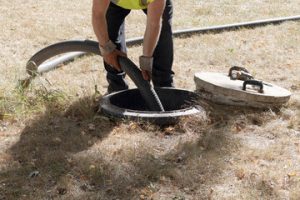
Septic Tank Cleaning: Why It Matters and How It Protects Your Septic System

A septic system is one of the most important yet often overlooked components of a home’s infrastructure. Hidden underground and working quietly every day, it manages household wastewater and helps maintain a safe, clean, and healthy living environment. Because the system operates out of sight, many homeowners tend to forget about it until a problem arises. Unfortunately, waiting until there are foul odors, slow drains, sewage backups, or standing water in the yard can lead to expensive repairs and significant inconvenience. One of the most effective ways to prevent these issues is through regular septic tank cleaning. This essential maintenance task removes accumulated waste, protects the system from unnecessary strain, and helps ensure reliable performance for many years.

septic tank

Although septic systems are designed to handle large amounts of wastewater, they are not maintenance-free. Every time water is used in the home, solid waste enters the septic tank, where it naturally separates into different layers. While beneficial bacteria help break down some of the waste, a significant amount of sludge and scum gradually builds up over time. If this accumulation is not removed through routine cleaning, it can reduce the tank’s capacity, interfere with normal wastewater treatment, and eventually damage other components of the septic system. Understanding why The Septic Guys tank cleaning matters and how it contributes to the long-term health of your system is an important part of responsible homeownership.

Understanding How a Septic System Works

Before exploring the importance of septic tank cleaning, it is helpful to understand how a septic system functions. A typical septic system is designed to collect, treat, and safely disperse household wastewater generated from sinks, showers, toilets, washing machines, and other plumbing fixtures.

When wastewater enters the septic tank, it naturally separates into three distinct layers. Heavy solids settle at the bottom of the tank to form sludge, oils and grease float to the surface as scum, and the relatively clear liquid remains in the middle. Naturally occurring bacteria begin breaking down portions of the organic waste, but they cannot eliminate all accumulated solids.

The partially treated liquid then flows from the septic tank into the drain field, where it undergoes additional filtration through the surrounding soil before returning to the environment. Every component of the system depends on the septic tank functioning properly, making regular cleaning a critical part of overall system maintenance.

What Is Septic Tank Cleaning?

Septic tank cleaning is the process of removing accumulated sludge, scum, and other waste materials that build up inside the tank over time. While some people use the terms “cleaning” and “pumping” interchangeably, the primary objective is the same: restoring the tank’s storage capacity and preventing excessive waste from entering the drain field.

During the cleaning process, specialized equipment removes the solid waste that naturally accumulates despite bacterial activity. This helps restore proper operation while reducing stress on the entire septic system.

Routine cleaning is considered preventive maintenance rather than emergency repair. By removing waste before it reaches problematic levels, homeowners can avoid many of the most common septic system failures.

Why Septic Tank Cleaning Is So Important

Many homeowners mistakenly believe that beneficial bacteria eliminate the need for septic tank maintenance. While bacteria do play an essential role in breaking down organic matter, they cannot digest every material that enters the system.

Over time, sludge and scum continue accumulating regardless of bacterial activity. As these layers become thicker, the amount of space available for wastewater decreases. Eventually, untreated solids may begin leaving the tank and entering the drain field, where they can clog pipes and soil, leading to expensive repairs.

Regular septic tank cleaning helps preserve the balance of the entire wastewater treatment process while extending the lifespan of the system.

Prevents Costly Repairs

One of the greatest advantages of routine septic tank cleaning is preventing expensive repairs. A neglected septic system can develop numerous problems that affect both the tank and the drain field.

Some of the issues regular cleaning helps prevent include:

  1. Sewage backups inside the home.
  2. Slow-draining sinks, tubs, and toilets.
  3. Drain field failure.
  4. Pipe blockages.
  5. Overflowing septic tanks.
  6. Damage to surrounding landscaping.
  7. Premature system replacement.

Preventive maintenance is almost always far less expensive than repairing or replacing a failed septic system.

Protects the Drain Field

The drain field is one of the most important and expensive components of a septic system. Its purpose is to safely distribute and naturally filter wastewater after it leaves the septic tank.

When excessive sludge accumulates inside the tank, solid waste may flow into the drain field along with the liquid effluent. These solids can clog soil pores and drainage pipes, reducing the system’s ability to absorb wastewater effectively.

Once a drain field becomes severely clogged, restoration can be difficult and costly. Routine septic tank cleaning helps prevent this damage by ensuring that solids remain inside the tank until they are properly removed.

Improves System Efficiency

A clean septic tank operates more efficiently because it has adequate space to separate wastewater properly. This separation process allows solids to settle while relatively clear liquid moves into the drain field.

When excessive sludge occupies much of the tank’s capacity, wastewater moves through the system more quickly, reducing treatment efficiency. Proper cleaning restores the tank’s ability to process wastewater as originally designed.

Improved efficiency also reduces stress on pipes, filters, and other septic system components.

Reduces the Risk of Sewage Backups

Few household problems are as unpleasant as sewage backing up into sinks, showers, or toilets. These situations create health hazards, unpleasant odors, and significant cleanup expenses.

Many sewage backups result from neglected septic tank maintenance. As solids accumulate and restrict wastewater flow, pressure within the system increases until wastewater has nowhere to go except back toward the home.

Regular cleaning greatly reduces this risk by maintaining adequate tank capacity and promoting proper wastewater movement throughout the system.

Helps Eliminate Unpleasant Odors

A properly functioning septic system should operate with minimal noticeable odor. Strong sewage smells around the home or yard often indicate that something is interfering with normal system performance.

Excessive waste accumulation can contribute to unpleasant odors by disrupting natural decomposition processes or causing wastewater to back up into plumbing fixtures.

Routine cleaning removes excess organic material that contributes to odor problems while helping restore proper system function.

Extends the Lifespan of the Septic System

A septic system represents a significant investment in any property. Like any major home system, its lifespan depends heavily on proper maintenance.

Routine septic tank cleaning reduces unnecessary wear on the tank, drain field, distribution components, and plumbing connections. By preventing excessive buildup and maintaining efficient operation, homeowners can significantly extend the useful life of the entire system.

Well-maintained septic systems often continue operating reliably for decades when properly cared for.

How Often Should a Septic Tank Be Cleaned?

There is no universal schedule that applies to every property because cleaning frequency depends on several factors.

Important considerations include:

  • Household size.
  • Water usage.
  • Septic tank capacity.
  • Number of bathrooms.
  • Frequency of laundry.
  • Garbage disposal usage.
  • Amount of solid waste entering the system.

Homes with larger families or heavier water usage generally require more frequent cleaning than smaller households.

Regular inspections help determine the most appropriate maintenance schedule based on the system’s actual condition rather than relying solely on fixed timelines.

Signs Your Septic Tank May Need Cleaning

Although routine maintenance should occur before problems develop, homeowners should recognize warning signs that indicate cleaning may already be necessary.

Common indicators include:

  1. Slow-draining sinks and bathtubs.
  2. Frequent toilet backups.
  3. Gurgling plumbing sounds.
  4. Sewage odors indoors or outdoors.
  5. Standing water near the drain field.
  6. Unusually lush grass above the septic area.
  7. Wastewater backing up into household fixtures.

Ignoring these symptoms can allow relatively minor maintenance issues to become major system failures.

Habits That Help Protect Your Septic System

Regular cleaning is only one part of responsible septic system care. Everyday household habits also play an important role in preserving system performance.

Homeowners can protect their septic systems by:

  1. Conserving water whenever possible.
  2. Repairing plumbing leaks promptly.
  3. Avoiding flushing non-biodegradable materials.
  4. Limiting grease disposal down drains.
  5. Keeping vehicles off the drain field.
  6. Avoiding planting deep-rooted trees near septic components.
  7. Scheduling routine inspections.

These simple practices reduce unnecessary strain while improving long-term reliability.

Common Mistakes That Shorten Septic System Life

Many septic system problems result from avoidable homeowner mistakes rather than equipment failure.

Some of the most common mistakes include:

  1. Delaying routine septic tank cleaning.
  2. Overloading the system with excessive water usage.
  3. Flushing wipes, paper towels, or hygiene products.
  4. Pouring grease or cooking oils into drains.
  5. Ignoring early warning signs.
  6. Driving heavy vehicles over the drain field.
  7. Failing to schedule regular inspections.

Avoiding these habits significantly reduces the likelihood of expensive repairs.

Environmental Benefits of Proper Septic Maintenance

Maintaining a healthy septic system benefits not only individual homeowners but also the surrounding environment. Properly functioning systems effectively treat wastewater before it returns to the soil, reducing the risk of contamination.

Neglected septic systems, on the other hand, may release untreated wastewater that affects groundwater quality, nearby vegetation, and surrounding ecosystems.

Routine septic tank cleaning supports efficient wastewater treatment while helping protect natural resources and maintaining healthier outdoor environments.

Why Preventive Maintenance Is Always the Better Choice

Preventive maintenance is one of the smartest investments homeowners can make in protecting their septic systems. Rather than waiting for visible symptoms to appear, regular cleaning addresses waste accumulation before it begins interfering with system performance.

Preventive care offers several long-term advantages:

  • Lower repair costs.
  • Greater system reliability.
  • Reduced likelihood of emergencies.
  • Longer equipment lifespan.
  • Improved wastewater treatment efficiency.
  • Better protection for the drain field.

These benefits demonstrate why routine maintenance consistently delivers greater value than reactive repairs.

The Long-Term Value of Routine Septic Tank Cleaning

Many homeowners view septic tank cleaning as an occasional expense, but it is better understood as an investment in the long-term health of the property. A properly maintained septic system operates more efficiently, experiences fewer unexpected failures, and provides dependable wastewater treatment for decades.

Regular cleaning also provides opportunities for inspections that identify developing issues before they require major repairs. Catching small problems early often prevents much larger and more expensive failures in the future.

By incorporating septic tank cleaning into a routine home maintenance schedule, homeowners can enjoy greater peace of mind while protecting one of the property’s most essential systems.

Septic tank cleaning is one of the most important maintenance tasks for protecting the health, efficiency, and longevity of a septic system. By removing accumulated sludge and scum before they interfere with normal operation, routine cleaning helps prevent sewage backups, protects the drain field, improves wastewater treatment, reduces unpleasant odors, and minimizes the risk of costly repairs. While septic systems operate quietly beneath the surface, they require ongoing care to continue performing effectively year after year.

Homeowners who understand the importance of regular septic tank cleaning are better equipped to preserve their investment and avoid unexpected problems. Combined with responsible household habits, routine inspections, and preventive maintenance, septic tank cleaning provides long-term protection that benefits both the home and the environment. Taking a proactive approach today helps ensure a reliable, efficient septic system that continues to serve the household well for many years to come.