When Should You Call a Water Damage Restoration Professional: A Homeowner’s Complete Guide

Water damage is one of the most common and costly problems homeowners can face. Whether it results from a burst pipe, a leaking roof, overflowing appliances, heavy rainfall, or an unnoticed plumbing issue, water can quickly spread throughout a property and affect flooring, walls, ceilings, insulation, furniture, and personal belongings. While some situations may appear minor at first, even a small amount of water can create hidden problems if it is not addressed promptly. Moisture that remains trapped behind walls or beneath flooring can lead to structural deterioration, mold growth, unpleasant odors, and expensive repairs. For this reason, understanding when to call Water Damage Restoration Utah professional is essential for protecting both your home and your investment.
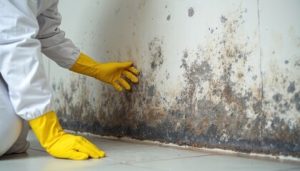
water damage restoration

Many homeowners attempt to clean up water themselves, and in some cases, simple spills or very small leaks can be handled safely without professional assistance. However, larger water-related incidents often require specialized equipment, advanced drying techniques, and professional expertise to ensure the property is completely restored. Waiting too long or underestimating the severity of water damage can significantly increase repair costs and prolong the recovery process. Knowing the warning signs and understanding when professional restoration services are necessary can help homeowners minimize damage, restore their property more efficiently, and avoid long-term complications.

Understanding Water Damage

Water damage occurs whenever unwanted water enters areas of a home where it should not be. Depending on the source, the amount of water, and how long it remains, the damage can range from minor cosmetic issues to significant structural deterioration.

Water has an incredible ability to travel through building materials. It can seep beneath flooring, wick into drywall, saturate insulation, weaken wood framing, and penetrate concrete surfaces. Because much of this movement happens out of sight, visible water often represents only a small portion of the overall problem.

The longer moisture remains inside a home, the greater the likelihood of mold growth, wood rot, warped flooring, peeling paint, damaged electrical systems, and compromised structural integrity.

Common Causes of Water Damage

Water damage can occur unexpectedly or develop gradually over time. Understanding the most common causes helps homeowners recognize situations that require immediate attention.

Frequent sources of water damage include:

  1. Burst or leaking plumbing pipes.
  2. Overflowing sinks, bathtubs, or toilets.
  3. Roof leaks.
  4. Appliance malfunctions.
  5. Water heater failures.
  6. Foundation leaks.
  7. Heavy storms and flooding.
  8. Clogged gutters and downspouts.
  9. HVAC system condensation issues.
  10. Hidden plumbing leaks inside walls.

Regardless of the cause, prompt action is critical because water continues causing damage until it is completely removed and the affected materials are properly dried.

Why Immediate Action Matters

Time plays one of the biggest roles in determining the severity of water damage. Within a relatively short period, moisture begins penetrating porous building materials, making restoration increasingly difficult.

As water remains in contact with wood, drywall, carpeting, insulation, and furniture, these materials absorb moisture and gradually lose their structural integrity. Paint may blister, flooring may warp, and odors can begin developing as microbial activity increases.

Prompt restoration reduces the amount of permanent damage while increasing the likelihood that many materials can be saved instead of replaced.

When Standing Water Covers Large Areas

One of the clearest situations requiring professional water damage restoration is the presence of standing water across multiple rooms or large sections of the home.

Large volumes of water often exceed the capabilities of household cleaning equipment. Removing significant amounts of water requires specialized extraction systems designed to quickly eliminate moisture before additional damage occurs.

Professional restoration teams also have industrial drying equipment capable of removing moisture trapped beneath flooring, inside walls, and within structural components.

The faster standing water is removed, the lower the risk of extensive structural damage.

When Water Has Reached Walls or Ceilings

Water that enters walls or ceilings should never be ignored. Even if visible staining appears minor, moisture may have spread far beyond what can be seen from the surface.

Drywall, insulation, framing, and ceiling materials readily absorb water, creating ideal conditions for hidden deterioration. Over time, saturated materials may weaken, sag, crack, or support mold growth.

Professional moisture detection equipment helps identify hidden water that ordinary visual inspections cannot detect.

Addressing concealed moisture early helps prevent more extensive repairs later.

When Flooring Has Become Saturated

Different flooring materials respond differently to water exposure, but nearly all require prompt attention when saturation occurs.

Hardwood flooring may swell, cup, or warp. Laminate flooring often expands and separates at the joints. Carpet padding absorbs significant amounts of moisture, while tile installations may trap water beneath the surface.

Even when flooring appears dry, moisture can remain beneath the finished surface where it continues affecting subfloor materials.

Professional drying equipment helps remove hidden moisture while reducing the likelihood of permanent flooring damage.

When Mold May Begin Developing

One of the biggest concerns following water damage is mold growth. Mold thrives in damp environments where moisture remains for extended periods.

Signs that mold may be developing include:

  • Musty odors.
  • Visible discoloration.
  • Dark spots on walls or ceilings.
  • Persistent dampness.
  • Increased allergy symptoms.

Because mold frequently develops inside wall cavities and beneath flooring before becoming visible, professional evaluation is often recommended whenever significant water damage has occurred.

Early intervention helps minimize health concerns while reducing restoration costs.

When Water Comes from Contaminated Sources

Not all water damage is the same. Some water sources present greater health risks than others due to contamination.

Potentially contaminated water may originate from:

  1. Sewage backups.
  2. Overflowing toilets containing waste.
  3. Floodwater.
  4. Storm runoff.
  5. Drain system failures.

These situations require specialized cleaning, sanitization, and protective procedures because harmful bacteria and other contaminants may be present.

Professional restoration helps ensure that affected areas are cleaned and disinfected appropriately before the home is considered safe again.

When You Notice Structural Damage

Water weakens many common building materials over time. If homeowners notice structural changes following water exposure, professional restoration should be arranged as soon as possible.

Warning signs include:

  • Sagging ceilings.
  • Soft drywall.
  • Warped flooring.
  • Cracked walls.
  • Loose tiles.
  • Buckling wood.
  • Separated trim.

These symptoms indicate that water has likely affected structural components beneath the visible surfaces.

Ignoring structural damage increases both safety risks and repair costs.

When Hidden Moisture Is Suspected

One of the greatest challenges associated with water damage is that much of the moisture remains invisible.

Water frequently migrates behind walls, beneath cabinets, inside insulation, and under flooring where it cannot be detected through ordinary observation.

Professionals use specialized moisture meters, thermal imaging equipment, and other diagnostic tools to identify hidden moisture before it causes additional problems.

Removing concealed water is essential for preventing long-term deterioration.

The Water Damage Restoration Process

Understanding the restoration process helps homeowners know what to expect after contacting a professional.

Although every project differs, restoration generally includes:

  1. Detailed inspection and moisture assessment.
  2. Water extraction.
  3. Removal of damaged materials when necessary.
  4. Industrial drying and dehumidification.
  5. Cleaning and sanitization.
  6. Odor removal.
  7. Repairs and restoration.

Each stage is designed to return the home to a safe, dry, and functional condition while minimizing long-term damage.

Why Household Fans Are Not Enough

Many homeowners assume that opening windows and using household fans will completely dry water-damaged areas. While airflow certainly helps, these methods rarely remove moisture trapped inside structural materials.

Industrial air movers and commercial dehumidifiers provide significantly greater drying capacity than residential equipment. They reduce humidity levels throughout the property while drawing moisture from walls, flooring, framing, and insulation.

Professional drying methods also include regular moisture monitoring to verify that affected materials have reached acceptable moisture levels before repairs begin.

Common Mistakes Homeowners Should Avoid

Following water damage, certain mistakes can unintentionally make the situation worse.

Some of the most common errors include:

  1. Delaying cleanup.
  2. Assuming surfaces are dry when hidden moisture remains.
  3. Ignoring minor leaks.
  4. Attempting major restoration without proper equipment.
  5. Failing to inspect concealed spaces.
  6. Waiting until mold becomes visible.
  7. Replacing materials before they are completely dry.

Avoiding these mistakes significantly improves restoration outcomes while reducing future repair expenses.

Preventing Future Water Damage

Although not every water emergency can be prevented, many problems can be avoided through routine maintenance and regular inspections.

Homeowners should periodically inspect plumbing systems, roofing materials, windows, appliances, water heaters, gutters, and drainage systems for signs of deterioration or leaks.

Additional preventive measures include:

  • Repairing leaks immediately.
  • Maintaining proper exterior drainage.
  • Cleaning gutters regularly.
  • Monitoring water pressure.
  • Replacing aging plumbing components.
  • Inspecting appliance hoses.
  • Checking crawl spaces and basements for moisture.

Preventive maintenance greatly reduces the likelihood of unexpected water damage emergencies.

Benefits of Hiring a Water Damage Restoration Professional

Professional restoration offers advantages that extend well beyond simply removing visible water. Restoration specialists understand how moisture behaves within buildings and possess the equipment necessary to address both obvious and hidden damage.

Some of the most important benefits include:

  1. Faster water removal.
  2. Accurate moisture detection.
  3. Professional structural drying.
  4. Reduced mold risk.
  5. Thorough cleaning and sanitization.
  6. Improved preservation of building materials.
  7. More efficient restoration planning.

These services help homeowners recover more quickly while protecting the long-term condition of the property.

Protecting Your Home Through Early Intervention

Perhaps the most valuable lesson homeowners can learn is that water damage rarely improves on its own. Every hour that moisture remains inside the home increases the potential for additional damage.

Early intervention not only protects structural materials but also helps preserve flooring, cabinetry, drywall, insulation, furniture, and personal belongings. Acting quickly often reduces overall restoration costs while shortening the time required to return the home to normal.

Recognizing when professional help is necessary allows homeowners to respond confidently rather than waiting for visible damage to become much worse.

Knowing when to call a water damage restoration professional can make a significant difference in both the cost and outcome of a water-related emergency. While minor spills may only require basic cleanup, larger incidents involving standing water, saturated building materials, hidden moisture, structural damage, mold concerns, or contaminated water demand specialized knowledge and equipment. Prompt action helps prevent long-term deterioration, protects the health of everyone in the home, and preserves the value of the property.

By understanding the warning signs of serious water damage and responding quickly when problems arise, homeowners can avoid many of the complications associated with delayed restoration. Combined with regular maintenance and proactive inspections, timely professional restoration provides peace of mind while helping ensure that a home remains safe, dry, and comfortable for years to come.
Effective Mice Removal Techniques to Protect Your Home from Infestations

Few household problems are as frustrating as discovering mice have made themselves at home. What may begin as the occasional scratching sound behind a wall or a few tiny droppings in the pantry can quickly develop into a full-scale infestation if left unaddressed. Mice are highly adaptable, capable of squeezing through surprisingly small openings and finding food, water, and shelter in almost any environment. Once inside, they reproduce rapidly, contaminate food, damage property, and create health concerns for everyone living in the home. Because of their ability to hide in hard-to-reach areas, removing mice requires more than simply setting a few traps. It involves a comprehensive Mice Removal Texas strategy that eliminates existing rodents while preventing new ones from entering.

mice removal

The good news is that mouse infestations can be effectively managed with the right combination of inspection, sanitation, exclusion, trapping, and ongoing prevention. Understanding why mice enter homes and learning the most effective removal techniques can help homeowners protect their property throughout the year. Rather than relying on temporary fixes, a well-planned approach addresses both the immediate problem and the underlying conditions that attracted mice in the first place. By taking proactive measures, homeowners can reduce the likelihood of recurring infestations while maintaining a healthier and more comfortable living environment.

Why Mice Invade Homes

Mice are constantly searching for three necessities: food, water, and shelter. Residential properties often provide all three, making them highly attractive to rodents regardless of the season. Kitchens, basements, garages, attics, crawl spaces, and storage rooms offer countless hiding places along with easy access to food sources.

During colder months, mice frequently move indoors to escape harsh weather and establish nesting areas where they can reproduce safely. However, infestations can occur at any time of year if entry points and food sources remain available.

Even clean homes are not immune. Mice can survive on surprisingly small amounts of food and are capable of nesting inside walls, insulation, cabinets, appliances, and furniture where they remain hidden from view.

Signs You May Have a Mice Infestation

Because mice are primarily nocturnal, homeowners often notice evidence of their presence before actually seeing one. Early detection is important because a small rodent problem can escalate quickly if mice are allowed to reproduce undisturbed.

Common warning signs include:

  1. Small droppings near food storage areas, cabinets, or baseboards.
  2. Scratching or scurrying sounds inside walls or ceilings.
  3. Gnaw marks on food packaging, wood, plastic, or wiring.
  4. Shredded paper, fabric, or insulation used for nesting.
  5. Unpleasant musky odors in enclosed spaces.
  6. Grease marks along walls where mice regularly travel.
  7. Visible mouse sightings, especially during daylight hours.

Recognizing these indicators early allows homeowners to begin removal efforts before the infestation becomes more extensive.

Why Prompt Mice Removal Matters

Some homeowners underestimate the seriousness of a mouse problem, assuming the rodents are merely a nuisance. In reality, mice can create significant health, safety, and financial risks if left unchecked.

Mice contaminate food and food preparation surfaces with droppings, urine, and saliva. They may also introduce parasites such as fleas or mites into the home. Additionally, rodents constantly gnaw to keep their teeth from overgrowing, which means they may chew on wood, drywall, insulation, pipes, and even electrical wiring. Damaged wiring can increase the risk of electrical malfunctions and potential fire hazards.

Because mice reproduce rapidly, delaying removal often leads to larger infestations that become more difficult and expensive to eliminate.

Begin with a Thorough Inspection

The first step toward effective mice removal is conducting a detailed inspection of the property. Identifying where mice are entering, nesting, and traveling provides valuable information for developing an effective removal plan.

Carefully inspect areas such as:

  • Attics
  • Basements
  • Crawl spaces
  • Utility rooms
  • Garages
  • Kitchen cabinets
  • Pantry shelves
  • Around plumbing penetrations
  • Foundation openings
  • Rooflines
  • Door thresholds
  • Window frames

Look for droppings, nesting materials, chew marks, greasy rub marks, and small openings that mice may be using as entry points.

Since mice can squeeze through openings as small as a fraction of an inch, even tiny gaps deserve careful attention.

Eliminate Food Sources

One of the most effective long-term mice removal strategies involves making the home less attractive by eliminating easy access to food. Mice are opportunistic feeders and can survive on crumbs, pet food, birdseed, and improperly stored pantry items.

Homeowners can reduce food availability by:

  1. Storing dry goods in tightly sealed containers.
  2. Cleaning kitchen counters daily.
  3. Sweeping floors regularly.
  4. Promptly wiping up spills.
  5. Keeping trash containers tightly covered.
  6. Removing pet food after feeding.
  7. Cleaning underneath appliances and furniture.

Reducing available food forces mice to search elsewhere and makes trapping efforts more successful.

Remove Water Sources

Although mice require relatively little water, even small amounts can sustain an infestation. Moisture control is therefore an essential component of effective rodent management.

Repair leaking faucets, pipes, and appliances promptly. Improve drainage around the home’s exterior, eliminate standing water, and use proper ventilation in bathrooms, kitchens, basements, and laundry rooms to reduce humidity levels.

Dry environments are considerably less attractive to rodents and support overall pest prevention efforts.

Seal Every Possible Entry Point

Exclusion is one of the most important steps in preventing recurring infestations. No matter how many mice are removed, new rodents may continue entering if access points remain open.

Inspect the home’s exterior carefully for gaps around utility lines, vents, foundations, roofing materials, doors, windows, and siding. Small cracks and openings should be sealed using durable materials designed to resist chewing.

Door sweeps, weatherstripping, and properly fitted screens also help prevent mice from entering through common access points.

By eliminating entry opportunities, homeowners greatly reduce the likelihood of future infestations.

Use Traps Strategically

Trapping remains one of the most effective methods for removing mice already living inside the home. Success depends largely on proper placement rather than simply increasing the number of traps.

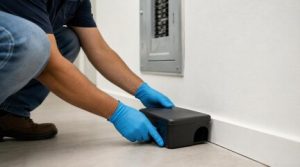
Mice tend to travel along walls and behind objects rather than crossing open spaces. Positioning traps perpendicular to walls with the trigger facing the travel path increases the chances of successful capture.

Several trap types are commonly used, including traditional snap traps, enclosed traps, multiple-catch traps, and humane live traps. The most appropriate choice depends on homeowner preferences and the severity of the infestation.

Monitoring and resetting traps regularly improves overall effectiveness while providing valuable information about rodent activity levels.

Maintain Excellent Sanitation

Cleaning plays a significant role in long-term mice prevention. Cluttered spaces provide ideal hiding locations where rodents can establish nests without being disturbed.

Storage areas should remain organized, with items elevated off the floor whenever possible. Cardboard boxes, paper piles, unused clothing, and accumulated debris create attractive nesting materials that encourage rodent activity.

Routine cleaning not only removes food residues but also makes it easier to identify new signs of mouse activity before infestations become widespread.

Outdoor Prevention Is Just as Important

Effective mice removal extends beyond the interior of the home. The surrounding landscape often influences whether rodents are likely to approach the property.

Maintain a clean exterior by trimming vegetation away from the home’s foundation, keeping firewood elevated and stored away from buildings, removing yard debris, and properly maintaining outdoor garbage containers.

Dense shrubs, overgrown vegetation, and cluttered storage areas near the home create ideal shelter for mice before they eventually move indoors.

A well-maintained landscape serves as an additional barrier against rodent invasions.

Common Mistakes That Reduce Removal Success

Many homeowners unintentionally make mistakes that allow mouse infestations to persist despite repeated control efforts.

Some of the most common mistakes include:

  1. Addressing only visible mice instead of the entire infestation.
  2. Ignoring small entry points.
  3. Relying solely on traps without sealing access points.
  4. Leaving food sources available.
  5. Delaying action after noticing early warning signs.
  6. Failing to inspect hidden areas.
  7. Neglecting routine maintenance after the infestation appears resolved.

Avoiding these mistakes significantly improves the likelihood of achieving long-term rodent control.

Long-Term Prevention Strategies

Removing mice is only part of the solution. Preventing future infestations requires ongoing attention to home maintenance and sanitation.

Homeowners should schedule periodic inspections of both the interior and exterior, especially during seasonal changes when rodents are more likely to seek shelter indoors. Regular maintenance allows small issues to be corrected before they develop into larger pest problems.

Simple habits such as sealing food, reducing clutter, repairing damage promptly, and monitoring for new signs of activity help create an environment that is far less inviting to rodents.

Consistency is often the difference between temporary success and lasting protection.

When Professional Assistance May Be Needed

While many minor infestations can be addressed using comprehensive do-it-yourself methods, larger or recurring mouse problems may require professional intervention. Extensive infestations often involve hidden nesting areas inside walls, ceilings, crawl spaces, or insulation that are difficult for homeowners to access.

Professionals have the experience, specialized equipment, and systematic approach needed to locate hidden activity, identify entry points, and develop customized treatment plans. Their knowledge allows them to address not only the visible mice but also the conditions that support ongoing infestations.

Seeking professional assistance early can often reduce long-term costs by preventing further property damage and minimizing the risk of recurring rodent problems.

The Benefits of Taking Immediate Action

Prompt action provides numerous advantages beyond simply removing unwanted rodents. Early intervention helps protect food supplies, preserve building materials, reduce contamination risks, and prevent damage to electrical systems and insulation.

In addition, addressing infestations quickly often requires less extensive treatment than waiting until the mouse population has grown significantly. The sooner homeowners respond to the first signs of rodent activity, the easier it becomes to restore a clean, healthy, and pest-free environment.

Maintaining a proactive mindset toward pest prevention not only safeguards the home but also contributes to greater peace of mind for everyone living inside.

Effective mice removal involves much more than placing traps around the home. Lasting success comes from combining thorough inspections, sanitation, exclusion, moisture control, strategic trapping, and ongoing prevention into one comprehensive plan. By understanding why mice enter homes and eliminating the conditions that attract them, homeowners can significantly reduce the likelihood of future infestations while protecting both their property and their family’s well-being.

Whether addressing a small rodent problem or preventing one from occurring in the first place, consistent maintenance and early action remain the most effective tools. A clean, well-maintained home with properly sealed entry points and limited access to food and water is far less appealing to mice. With the right approach, homeowners can enjoy a safer, healthier, and more comfortable living environment free from the stress and damage that rodent infestations can cause.