Cabinets play a significant role in defining the style, functionality, and overall atmosphere of a home. Whether they are located in the kitchen, bathroom, laundry room, home office, or living area, cabinets are among the most frequently used features of any interior space. Because of their constant use, selecting the right paint or stain finish is just as important as choosing the cabinet design itself. The finish you select influences not only the appearance of your cabinetry but also its durability, maintenance requirements, and ability to withstand everyday wear and tear. While color often receives the most attention during a remodeling project, the finish ultimately determines how the cabinets will perform and how they will look over time.
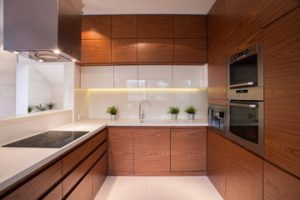
With countless Modesto Cabinet Painters colors, wood stains, and protective finishes available, choosing the right option can feel overwhelming. Some homeowners prefer a bright, modern painted look that creates a clean and inviting atmosphere, while others appreciate the warmth and character that natural wood stains provide. Each option offers its own advantages depending on the cabinet material, design style, lighting conditions, maintenance preferences, and long-term goals. Understanding the differences between paint and stain, along with the various sheen levels and protective coatings, helps homeowners make informed decisions that enhance both beauty and functionality. By carefully evaluating these factors before beginning a cabinet refinishing or remodeling project, you can create cabinetry that remains attractive and durable for many years.
Understanding the Difference Between Paint and Stain
Before choosing a finish, it is important to understand the fundamental difference between paint and stain. Although both are designed to improve the appearance of cabinets, they produce very different visual effects and interact with wood in unique ways.
Paint forms a solid coating that completely covers the surface of the cabinet. It hides the natural wood grain and creates a smooth, uniform appearance. This makes paint an excellent option for homeowners who want to update outdated cabinetry, achieve a contemporary style, or introduce bold or neutral colors into their space. Since paint conceals imperfections and variations in the wood, it is often selected for cabinets that have minor cosmetic flaws or inconsistent grain patterns.
Stain, by contrast, penetrates the wood rather than covering it. Instead of hiding the natural grain, stain enhances it, highlighting the unique textures, knots, and character of the wood. This creates a timeless, warm appearance that appeals to homeowners who appreciate natural materials and classic interior design. Stain is available in a wide range of shades, allowing the wood to retain its authentic beauty while achieving a lighter or darker tone.
Factors to Consider Before Choosing a Finish
The ideal cabinet finish depends on more than personal preference. Several practical considerations should influence your decision to ensure your cabinets continue to look beautiful despite years of daily use.
Some of the most important factors include:
- The type of cabinet material.
- The amount of daily wear the cabinets experience.
- The overall design style of the room.
- Natural and artificial lighting.
- Maintenance expectations.
- Moisture and humidity levels.
- Long-term durability goals.
Evaluating these elements before selecting a finish helps prevent disappointment and ensures the finished cabinets complement both your lifestyle and your home’s interior design.
Choosing the Right Paint Finish
Painted cabinets remain one of the most popular choices in modern home design because they provide incredible flexibility in color and style. Whether the goal is creating a bright, open kitchen or adding dramatic contrast with darker tones, painted cabinetry offers endless design possibilities.
However, selecting the correct paint finish is just as important as choosing the color itself. Different sheen levels affect both appearance and performance.
Matte Finish
Matte paint offers a soft, understated appearance with very little surface reflection. It creates a sophisticated look that works well in contemporary and minimalist interiors. However, because matte finishes can be more difficult to clean and may show stains more easily, they are generally less common for cabinets that receive heavy daily use.
Satin Finish
Satin is often considered one of the best choices for cabinetry because it provides a subtle sheen while remaining easy to clean. It strikes an excellent balance between aesthetics and practicality, making it suitable for kitchens, bathrooms, and other frequently used spaces.
The smooth appearance of satin helps cabinets look elegant without emphasizing surface imperfections.
Semi-Gloss Finish
Semi-gloss paint reflects more light than satin and offers superior resistance to moisture and stains. This finish is highly durable and easy to wipe clean, making it particularly well suited for busy households where cabinets experience constant use.
Its slightly reflective appearance also helps brighten smaller spaces by increasing light distribution throughout the room.
Gloss Finish
Gloss finishes provide the highest level of shine and create a striking contemporary appearance. Their smooth surface resists moisture and is extremely easy to clean. However, gloss also highlights imperfections in the cabinet surface, making proper preparation especially important before application.
While less common for entire kitchens, gloss finishes are sometimes used as design accents or in highly modern interiors.
Choosing the Right Wood Stain
For homeowners who appreciate the natural beauty of wood, stain offers an excellent alternative to paint. Rather than concealing the wood’s character, stain emphasizes grain patterns while enriching the overall color.
Lighter stains create an open, airy atmosphere that works well in contemporary and transitional interiors. Medium stains provide warmth and versatility, complementing a wide variety of design styles. Dark stains create a rich, elegant appearance that adds depth and sophistication, particularly in larger spaces with abundant natural light.
The species of wood also influences the final appearance because different woods absorb stain differently. Understanding how the underlying material interacts with stain helps achieve the desired result.
Consider Your Interior Design Style
The cabinet finish should complement the overall design of the home rather than compete with it. Choosing a finish that aligns with the surrounding décor creates a cohesive and visually appealing interior.
For example, clean painted cabinets often pair well with modern, minimalist, and contemporary spaces, while stained wood cabinets naturally complement traditional, rustic, farmhouse, and craftsman-inspired interiors.
Transitional designs frequently incorporate both painted and stained elements, combining the brightness of painted perimeter cabinets with the warmth of stained islands or accent cabinetry.
Selecting a finish that supports the broader design concept contributes to a more harmonious and timeless result.
Think About Lighting
Lighting dramatically affects how cabinet finishes appear throughout the day. Natural sunlight, overhead lighting, under-cabinet lighting, and decorative fixtures all influence color perception and surface reflectivity.
Glossy finishes tend to reflect more light, making smaller rooms appear brighter and more spacious. Matte finishes absorb more light, creating a softer and more subdued atmosphere.
Similarly, stain colors may appear significantly different depending on whether the room receives abundant natural light or relies primarily on artificial illumination. Testing finish samples under actual lighting conditions helps prevent unexpected results after installation.
Durability Matters
Cabinets experience constant contact from hands, cookware, dishes, cleaning supplies, and household traffic. As a result, durability should always be a priority when selecting a finish.
High-quality cabinet coatings are formulated to resist:
- Scratches
- Moisture
- Grease
- Household cleaners
- Fingerprints
- Minor impacts
- Everyday wear
Choosing a durable finish extends the life of the cabinetry while reducing future maintenance and refinishing needs.
Investing in premium materials often delivers better long-term value despite slightly higher initial costs.
Protective Topcoats Enhance Performance
Whether choosing paint or stain, applying a durable protective topcoat is essential for preserving the finished appearance.
Protective clear coats help shield cabinets from moisture, stains, abrasion, and fading caused by sunlight. They also make routine cleaning easier by creating a smooth, resilient surface that resists everyday damage.
Depending on the desired appearance, homeowners may select matte, satin, semi-gloss, or gloss clear finishes that complement the underlying paint or stain.
Properly applied protective coatings significantly increase the longevity of cabinet finishes.
Maintenance Requirements
Every cabinet finish requires some level of maintenance, but the amount varies depending on the finish selected.
Painted cabinets generally require regular cleaning to remove fingerprints, grease, and food residue. Lighter colors may show dirt more easily, while darker colors can reveal dust and fingerprints.
Stained cabinets tend to hide minor imperfections more effectively because the natural wood grain creates visual texture. Routine dusting and gentle cleaning help preserve their appearance.
Regardless of finish, avoiding abrasive cleaning products and promptly wiping spills helps maintain cabinet beauty for many years.
Common Mistakes to Avoid
Selecting the wrong cabinet finish can lead to unnecessary frustration and premature wear. Fortunately, several common mistakes can be avoided with careful planning.
Some of the most frequent errors include:
- Choosing appearance over durability.
- Ignoring lighting conditions.
- Skipping finish samples before making a final decision.
- Using low-quality paints or stains.
- Neglecting proper surface preparation.
- Forgetting to apply protective topcoats.
- Selecting finishes that clash with the overall interior style.
Avoiding these mistakes greatly increases the likelihood of achieving professional-looking, long-lasting results.
Balancing Beauty and Practicality
While aesthetics are certainly important, the ideal cabinet finish also supports the practical needs of everyday living. Families with young children, busy kitchens, or high-traffic spaces often benefit from finishes that resist stains, moisture, and frequent cleaning.
Homeowners should consider how the cabinets will actually be used rather than selecting a finish based solely on appearance. A finish that performs well under daily conditions will remain attractive much longer than one chosen without regard for maintenance or durability.
Finding the right balance between visual appeal and functionality ensures greater satisfaction with the finished project.
Is Paint or Stain the Better Choice?
There is no universal answer to whether paint or stain is the better cabinet finish. The ideal choice depends on individual preferences, cabinet condition, design goals, and lifestyle.
Paint is an excellent option for homeowners seeking a dramatic transformation, a clean modern appearance, or unlimited color possibilities. It provides a smooth, uniform finish that can completely refresh older cabinetry.
Stain is better suited for those who appreciate the natural beauty of wood and want to highlight its unique grain and texture. It offers timeless warmth and often requires less frequent cosmetic touch-ups because natural variations help conceal minor wear.
Both finishes can provide exceptional durability and beauty when applied correctly using high-quality products and proper preparation techniques.
Choosing the right paint or stain finish for your cabinets is about much more than selecting a favorite color. The finish you choose affects the overall style, durability, maintenance, and long-term value of your cabinetry. By understanding the differences between paint and stain, evaluating sheen levels, considering lighting and design preferences, and investing in durable protective coatings, homeowners can create cabinets that are both visually stunning and built to withstand everyday life.
Whether you prefer the crisp elegance of painted cabinets or the timeless warmth of natural wood stains, taking the time to make an informed decision will pay off for years to come. A carefully selected finish not only enhances the beauty of your home but also protects one of its most hardworking features, ensuring your cabinets continue to look and perform their best long after the project is complete.