Creating a beautiful and functional outdoor space is about much more than planting flowers or laying down a new patio. Successful landscape projects begin long before construction starts, relying on careful planning, thoughtful design, and a deep understanding of how each element will work together over time. Whether the goal is to create a peaceful backyard retreat, an inviting entertainment area, a low-maintenance garden, or a complete outdoor living space, every detail must be carefully considered. Experienced Landscape Designers Honolulu HI understand that a well-planned project balances aesthetics, functionality, sustainability, and long-term maintenance to produce results that continue to add value and enjoyment for years to come.
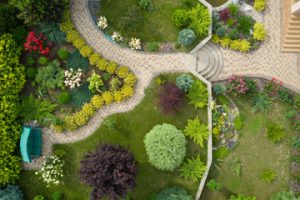
Many homeowners become excited about selecting plants, outdoor furniture, lighting, or decorative features, but the true foundation of a successful landscape lies in the planning stage. Decisions made early in the process influence everything from project costs and construction timelines to drainage performance and future maintenance needs. Skipping or rushing this stage often leads to costly revisions, disappointing results, and landscapes that fail to meet the homeowner’s expectations. By understanding the planning process used by experienced landscape designers, property owners can make informed decisions that lead to outdoor spaces that are both visually appealing and highly functional.
Every Successful Landscape Begins with a Vision
The planning process starts by defining the overall purpose of the outdoor space. Rather than focusing immediately on individual features, experienced landscape designers first seek to understand how homeowners intend to use the property. Every landscape should reflect the lifestyle, preferences, and long-term goals of the people who will enjoy it.
Some homeowners prioritize entertaining family and friends, while others want a peaceful environment for relaxation, gardening, or outdoor dining. Families with children may require open play areas, while pet owners often need durable surfaces and secure boundaries. Others may be interested in increasing curb appeal or creating an outdoor environment that complements future home improvements.
Establishing these priorities at the outset creates a clear direction for every subsequent design decision. A landscape designed around real-life needs is far more likely to provide lasting satisfaction than one based solely on visual trends.
Conducting a Thorough Site Evaluation
Before creating design concepts, experienced landscape designers perform a comprehensive evaluation of the property. Every outdoor space has unique characteristics that influence the design process, including terrain, drainage, soil conditions, sunlight exposure, existing vegetation, and structural features.
A detailed site assessment helps identify both opportunities and potential challenges. Sloped terrain may require retaining walls or erosion control, while poorly drained areas might need grading improvements or drainage systems before landscaping can begin. Mature trees may become focal points of the design, while underused spaces can be transformed into functional outdoor living areas.
Understanding these existing conditions allows designers to develop practical solutions that work with the natural characteristics of the property rather than against them.
Establishing a Realistic Budget
One of the most important aspects of landscape planning involves developing a realistic project budget. Outdoor improvements can range from modest garden enhancements to complete property transformations, making financial planning essential.
An experienced designer helps prioritize investments by balancing immediate goals with long-term value. Instead of attempting to complete every feature at once, projects can often be divided into manageable phases that allow homeowners to spread costs over time without compromising the overall vision.
A comprehensive budget typically accounts for design services, site preparation, grading, hardscaping, planting, irrigation, lighting, drainage, labor, and future maintenance considerations. Including a contingency allowance also helps accommodate unexpected conditions that may arise during construction.
Creating a Functional Landscape Layout
Once the site’s characteristics and project goals are understood, designers begin organizing the landscape into functional zones. Rather than viewing the yard as a single open area, experienced professionals divide the property into spaces designed for specific activities.
Common outdoor zones include:
- Outdoor dining and entertainment areas.
- Relaxation or seating spaces.
- Lawn and recreation areas.
- Garden beds and planting zones.
- Pathways and circulation routes.
- Utility or storage areas.
- Privacy buffers and screening features.
Organizing the landscape into purposeful spaces improves usability while creating a natural flow throughout the property. Every area serves a distinct function while contributing to a cohesive overall design.
Balancing Beauty with Practicality
An attractive landscape should also perform well under everyday conditions. Experienced landscape designers understand that visual appeal alone does not create a successful outdoor environment. Practical considerations such as accessibility, durability, safety, drainage, and maintenance must be integrated into every design.
Walkways should provide comfortable movement throughout the property. Outdoor seating should take advantage of pleasant views while considering sun exposure and privacy. Plant selections should match available sunlight, soil conditions, and maintenance preferences rather than simply following current design trends.
By balancing aesthetics with functionality, the finished landscape remains enjoyable throughout every season.
Selecting the Right Hardscape Features
Hardscaping forms the structural foundation of many outdoor projects. These permanent features provide organization, accessibility, and usable living space while complementing the surrounding landscape.
Popular hardscape elements include patios, walkways, retaining walls, driveways, seating walls, pergolas, outdoor kitchens, fire features, and decorative stonework.
When planning these features, designers carefully consider traffic flow, elevation changes, drainage patterns, material durability, and architectural compatibility with the home. Proper placement ensures that hardscape elements feel integrated rather than disconnected from the surrounding environment.
Quality hardscape planning also contributes significantly to long-term property value.
Choosing Plants with Purpose
Plant selection is one of the most exciting stages of landscape planning, but experienced designers approach it strategically rather than emotionally. Every plant is chosen based on its mature size, growth habits, environmental requirements, seasonal interest, and compatibility with neighboring plants.
Rather than overcrowding a landscape with numerous species, successful designs often emphasize carefully selected plant groupings that provide year-round visual interest while remaining manageable over time.
Important plant selection factors include:
- Sunlight requirements.
- Soil conditions.
- Water needs.
- Seasonal color.
- Mature height and width.
- Maintenance expectations.
- Wildlife considerations.
Choosing appropriate plants reduces future maintenance while promoting healthier, longer-lasting landscapes.
Planning for Drainage and Water Management
Drainage is frequently overlooked during landscape planning, yet it is one of the most critical components of a successful outdoor project. Water that is not properly managed can damage foundations, erode soil, kill plants, and shorten the lifespan of hardscape installations.
Experienced landscape designers carefully evaluate how water moves across the property before recommending grading adjustments, drainage systems, permeable surfaces, or planting strategies that improve water absorption.
Addressing drainage concerns early prevents expensive repairs while protecting the long-term health of the landscape.
Designing for Four-Season Appeal
A truly successful landscape remains attractive throughout the entire year rather than only during one growing season. Experienced designers create layered landscapes that offer changing colors, textures, and visual interest as seasons evolve.
This may include evergreen plants for winter structure, flowering shrubs for spring color, ornamental grasses for autumn texture, and attractive bark or branch patterns that provide winter beauty.
Layering plants with varying bloom times ensures that different portions of the landscape become focal points throughout the year, creating an outdoor environment that always feels vibrant and inviting.
Outdoor Lighting Enhances Both Beauty and Safety
Lighting plays an important role in extending the usability of outdoor spaces beyond daylight hours. Well-planned landscape lighting highlights architectural features, illuminates pathways, improves security, and creates an inviting atmosphere for evening gatherings.
Lighting design should complement the landscape rather than overwhelm it. Carefully positioned fixtures can emphasize trees, garden beds, water features, patios, and entryways while improving visibility and reducing potential safety hazards.
Thoughtful lighting transforms outdoor environments into comfortable living spaces that can be enjoyed long after the sun sets.
Sustainability Is an Important Part of Modern Landscape Design
Many homeowners now prioritize environmentally responsible landscaping practices. Experienced landscape designers incorporate sustainable principles that reduce resource consumption while supporting healthy ecosystems.
Examples include selecting drought-tolerant plants, improving soil health, reducing unnecessary turf areas, installing efficient irrigation systems, and choosing durable materials with long service lives.
Sustainable landscapes often require less maintenance, consume fewer resources, and continue performing well under changing environmental conditions.
These thoughtful design choices benefit both homeowners and the surrounding environment.
Common Planning Mistakes to Avoid
Even beautiful landscapes can experience problems when important planning steps are overlooked. Understanding common mistakes helps homeowners make more informed decisions before construction begins.
Some of the most frequent planning errors include:
- Beginning construction without a comprehensive design plan.
- Ignoring drainage and grading issues.
- Choosing plants based only on appearance.
- Underestimating future maintenance requirements.
- Overcrowding planting beds.
- Failing to consider mature plant sizes.
- Neglecting lighting and accessibility.
- Prioritizing short-term trends over long-term functionality.
Avoiding these mistakes significantly increases the likelihood of creating a landscape that remains attractive and practical for many years.
Communication Leads to Better Results
One characteristic shared by successful landscape projects is consistent communication throughout the planning process. Experienced designers work closely with homeowners to refine ideas, discuss priorities, review design concepts, and make informed decisions before construction begins.
Open communication minimizes misunderstandings while ensuring the finished landscape accurately reflects the homeowner’s vision. It also allows potential concerns to be addressed early, reducing delays and unexpected costs during installation.
Collaborative planning creates greater confidence throughout the project and contributes to higher overall satisfaction once construction is complete.
Long-Term Maintenance Should Never Be Overlooked
A landscape should remain enjoyable long after installation has been completed. For this reason, experienced landscape designers carefully consider future maintenance requirements during the planning stage.
The selection of plants, paving materials, irrigation systems, and outdoor features directly affects the amount of time and effort required to maintain the property. Homeowners with busy schedules often benefit from low-maintenance plant selections, efficient irrigation, durable hardscape materials, and simplified garden layouts that reduce ongoing upkeep.
Planning with maintenance in mind ensures that the landscape continues to look beautiful without becoming an overwhelming responsibility.
Why Professional Planning Adds Lasting Value
While it may be tempting to focus only on construction, professional planning is often the most valuable stage of any outdoor project. A carefully developed landscape plan reduces costly mistakes, improves project efficiency, enhances property functionality, and supports long-term durability.
Experienced landscape designers consider every aspect of the property as a connected system rather than as individual features. This holistic approach results in outdoor spaces that are visually cohesive, environmentally responsible, structurally sound, and tailored to the homeowner’s lifestyle.
Well-planned landscapes also contribute to improved curb appeal, increased property value, and greater enjoyment of outdoor living areas for years to come.
The planning process is the foundation of every successful outdoor project. Before patios are built, gardens are planted, or lighting is installed, experienced landscape designers invest significant time in understanding the property, evaluating site conditions, defining homeowner goals, and creating thoughtful design solutions that balance beauty with functionality. Every decision—from selecting plants and hardscape materials to addressing drainage and future maintenance—plays an important role in the long-term success of the landscape.
By appreciating the value of careful planning, homeowners can approach outdoor improvement projects with greater confidence and realistic expectations. A well-designed landscape is more than an attractive yard; it is an extension of the home that supports relaxation, recreation, entertainment, and everyday living. Through strategic planning and attention to detail, outdoor spaces can become lasting investments that provide beauty, comfort, and functionality throughout every season.